
Would you like to switch to the accessible version of this site?

Go to accessible site Close modal window

Don't need the accessible version of this site?

Hide the accessibility button Close modal window
Accessibility View Close toolbar
  • Home
  • Client Center
    • New Client Form
    • Pet Businesses
    • Finding Lost Pets
    • Adopt a Pet
    • What to Expect
    • Veterinary Resources
    • Payment Options
      • Cherry Payment
      • CareCredit
  • About us
    • Hospital Tour
    • Meet Our Team
    • Community Service
  • Services
    • Laser Therapy
    • Pet Portal
    • Spay/Neuter
    • Nutrition and Supplements
    • Weight Loss & Weight Management
  • Petsimonials
  • Contact Us
    • Appointment Request
  • Online Store
  • Blog
  • Veterinary Topics
  • Wellness and questions
logo

(503) 667-9457

(503) 667-9457
Menu

(503) 667-9457

Contact Us

Error!

    • Home >
    • Articles >
    • Pet Health >
    • Chronic Conditions >
    • Epilepsy

    Epilepsy

    • Created in Pet Health, Chronic Conditions

    epilepsy

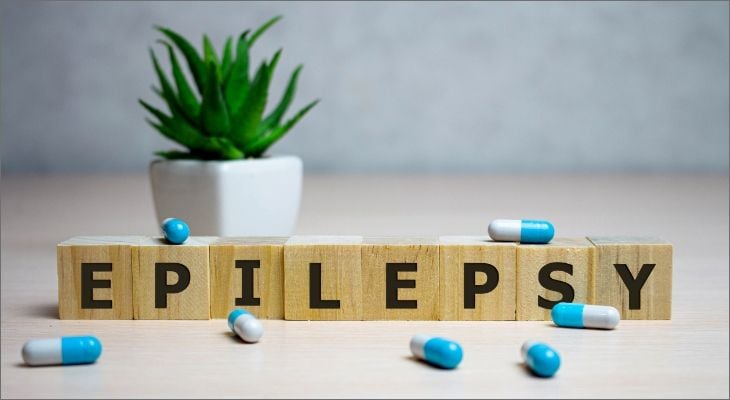
    Epilepsy (often referred to as a seizure disorder) is a chronic neurological condition characterized by recurrent unprovoked seizures. It is commonly controlled with medication, although surgical methods are used as well. Epileptic seizures are classified both by their patterns of activity in the brain and their effects on behavior.

    In terms of their pattern of activity, seizures may be described as either partial or generalized. Partial seizures only involve a localized part of the brain, whereas generalized seizures involve the entire cortex. The term 'secondary generalization' may be used to describe a partial seizure that later spreads to the whole of the cortex and becomes generalized. All the causes of epilepsy are not known, but many predisposing factors have been identified, including brain damage resulting from malformations of brain development, head trauma, neurosurgical operations, other penetrating wounds of the brain, brain tumor, high fever, bacterial or viral encephalitis, stroke, intoxication, or acute or inborn disturbances of metabolism. Hereditary or genetic factors also play a role.

    • Pet Health
      • Chronic Conditions
      • Digestive and Oral Health
      • Diseases and Viruses
      • Pests and Parasites
      • Orthopedics
    • Today's Veterinarian
    • Choosing Your Pet
      • Finding Your Pet
      • Cats
      • Dogs
      • Exotics
        • Amphibians
        • Birds
        • Reptiles
          • Lizards
          • Turtles
      • Small Mammals
        • Ferrets
        • Rabbits
        • Domesticated Animals
          • Prairie Dogs
        • Pocket Pets
          • Chinchillas
          • Guinea Pigs
          • Hamsters
          • Hedgehogs
          • Rats
      • Livestock
        • Cows
        • Donkeys, Horses & Mules
        • Goats
        • Pigs
        • Poultry
        • Sheep
    • Living With Your Pet
      • Bringing Your Pet Home
      • Children and Pets
      • Providing Care
      • Travel
      • Saying Goodbye
    • Newsletter Library
      • Cats
      • Tips for Pet Owners
      • Behavior & Training
      • Fleas & Parasites
      • Keeping Pets Healthy
      • Recognizing Illness
      • Nutrition & Food
      • Pet Dangers
      • Seasonal Topics
      • Visiting the Vet
      • Equine
      • Newsletter Archive
        • Fun with Pets
        • Unbelievable Pets
    • Video Newsroom
      • Health Topics
      • Technology and Science
      • Other Interests
    • Newsletter Library
    • Client Survey
    • Pets4Kids

    Office Hours

    Our Regular Schedule

    Gresham Office

    Monday:

    7:30 am-6:00 pm

    Tuesday:

    7:30 am-6:00 pm

    Wednesday:

    7:30 am-6:00 pm

    Thursday:

    7:30 am-6:00 pm

    Friday:

    7:30 am-6:00 pm

    Saturday:

    Closed

    Sunday:

    Closed

    Location

    Find us on the map

    • Copyright © 2026 MH Sub I, LLC dba iMatrix.
    • Admin Log In
    • Site Map