
Would you like to switch to the accessible version of this site?

Go to accessible site Close modal window

Don't need the accessible version of this site?

Hide the accessibility button Close modal window
Accessibility View Close toolbar
  • Home
  • Client Center
    • New Client Form
    • Pet Businesses
    • Finding Lost Pets
    • Adopt a Pet
    • What to Expect
    • Veterinary Resources
    • Payment Options
      • Cherry Payment
      • CareCredit
  • About us
    • Hospital Tour
    • Meet Our Team
    • Community Service
  • Services
    • Laser Therapy
    • Pet Portal
    • Spay/Neuter
    • Nutrition and Supplements
    • Weight Loss & Weight Management
  • Petsimonials
  • Contact Us
    • Appointment Request
  • Online Store
  • Blog
  • Veterinary Topics
  • Wellness and questions
logo

(503) 667-9457

(503) 667-9457
Menu

(503) 667-9457

Contact Us

Error!

    • Home >
    • Articles >
    • Pet Health >
    • Pests and Parasites >
    • Hookworm

    Hookworm

    • Created in Pet Health, Pests and Parasites

    hookworm

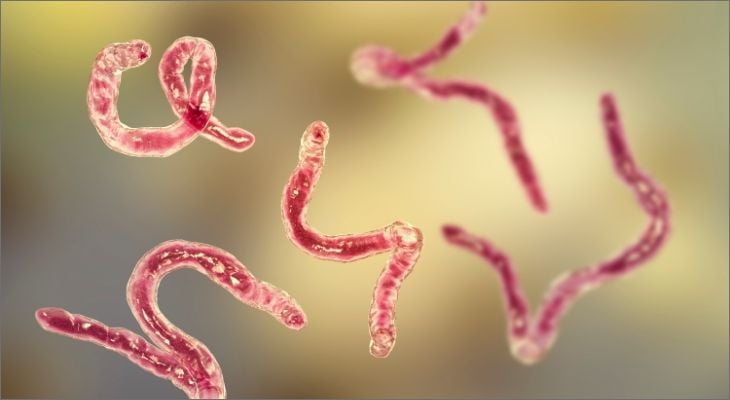
    Hookworms are small, thread-like parasites of the small intestine where they attach and suck large amounts of blood. These parasites are found in almost all parts of the world, being common in dogs, and occasionally seen in cats.

    Symptoms are usually diarrhea and weight loss. The parasites can actually suck so much blood that they cause pale gums from anemia, and black and tarry stools. Young puppies can be so severely affected that they die. Infection can be by ingestion of breast milk from an infected mother, by ingestion of infected eggs, or by skin penetration of infected larvae.

    Since the adult parasites are so small, they are rarely seen in the stool. Diagnosis of these parasites is by the veterinarian or laboratory finding the microscopic eggs in the stool.

    There are a variety of medications that can kill hookworms. The important point to know is that there is no one medicine that will kill all the types of intestinal parasites that exist. Some of the monthly "heartworm preventatives" will also work to treat hookworms.

    People exposed to hookworms can develop a rash called cutaneous larval migrans. Infected larvae, usually from contaminated yards, can penetrate human skin and cause red tracts.

    • Pet Health
      • Chronic Conditions
      • Digestive and Oral Health
      • Diseases and Viruses
      • Pests and Parasites
      • Orthopedics
    • Today's Veterinarian
    • Choosing Your Pet
      • Finding Your Pet
      • Cats
      • Dogs
      • Exotics
        • Amphibians
        • Birds
        • Reptiles
          • Lizards
          • Turtles
      • Small Mammals
        • Ferrets
        • Rabbits
        • Domesticated Animals
          • Prairie Dogs
        • Pocket Pets
          • Chinchillas
          • Guinea Pigs
          • Hamsters
          • Hedgehogs
          • Rats
      • Livestock
        • Cows
        • Donkeys, Horses & Mules
        • Goats
        • Pigs
        • Poultry
        • Sheep
    • Living With Your Pet
      • Bringing Your Pet Home
      • Children and Pets
      • Providing Care
      • Travel
      • Saying Goodbye
    • Newsletter Library
      • Cats
      • Tips for Pet Owners
      • Behavior & Training
      • Fleas & Parasites
      • Keeping Pets Healthy
      • Recognizing Illness
      • Nutrition & Food
      • Pet Dangers
      • Seasonal Topics
      • Visiting the Vet
      • Equine
      • Newsletter Archive
        • Fun with Pets
        • Unbelievable Pets
    • Video Newsroom
      • Health Topics
      • Technology and Science
      • Other Interests
    • Newsletter Library
    • Client Survey
    • Pets4Kids

    Office Hours

    Our Regular Schedule

    Gresham Office

    Monday:

    7:30 am-6:00 pm

    Tuesday:

    7:30 am-6:00 pm

    Wednesday:

    7:30 am-6:00 pm

    Thursday:

    7:30 am-6:00 pm

    Friday:

    7:30 am-6:00 pm

    Saturday:

    Closed

    Sunday:

    Closed

    Location

    Find us on the map

    • Copyright © 2026 MH Sub I, LLC dba iMatrix.
    • Admin Log In
    • Site Map